
Dr. Murray, a world authority in the field of natural therapy, wrote an article explaining the anti-inflammatory and analgesic pharmacological effects of palmitoyl ethanolamide (PEA)
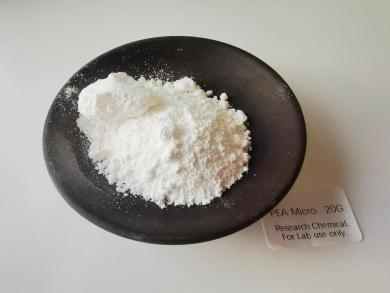
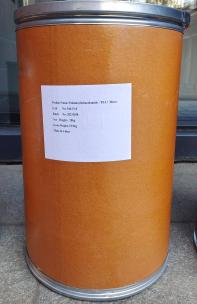
Do you know about palmitoyl ethanolamide (PEA)?
Palmitoyl ethanolamide (PEA) is a fatty substance that is produced in the human body and also found in foods such as animal viscera, egg yolks, olive oil, safflower and soybean lecithin, peanuts, and more.
PEA is technically known as a "pro-resolving lipid signaling molecule". This term means that PEA affects the central control mechanisms within cells, thereby resolving inflammation and cellular stress. Over 600 scientific investigations have shown this extremely beneficial effect.

The potential clinical applications of PEA are quite extensive, but its research and popular uses are mainly focused on its anti-inflammatory and analgesic effects in diseases such as low back pain, sciatic nerve pain, and osteoarthritis. Preclinical and human studies have also investigated its effects on depression, enhancement of mental function and memory, autism, multiple sclerosis, obesity, and metabolic syndrome. PEA possesses many properties comparable to those of cannabidiol (CBD), but its use is supported by better scientific evidence, which is its advantage.
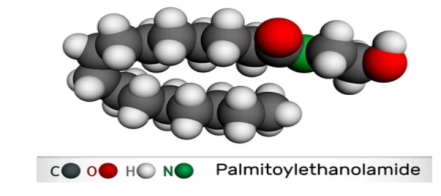
How does PEA exert its anti-inflammatory and analgesic effects?
The health benefits of PEA include influencing immune cells that control inflammation, especially in the brain. PEA may help reduce the production of inflammatory substances. However, PEA primarily acts on receptors on cells that control various aspects of cell function. These receptors are known as PPARs. PEA and other compounds that help activate PPARs can alleviate pain, promote metabolism by burning fat, reduce serum triglycerides, increase serum high-density lipoprotein cholesterol, improve blood glucose control, and aid in weight loss.
Since PEA may help alleviate brain inflammation, could it also work on other issues affecting the brain?
Yes, PEA has a well-established mechanism that plays a pivotal role in chronic pain, mental function, and depression. There is considerable evidence indicating that PEA has a significant role in alleviating mental cognitive decline and depression caused by chronic pain. It has shown antidepressant effects in both animal models of depression and double-blind placebo-controlled trials in humans. Studies have also shown that PEA helps reduce stress response, thereby playing an important protective role in resisting stress and anxiety.
What are the clinical applications of PEA?
PEA has a unique effect on factors controlling cellular functions, thus potentially holding broad clinical application prospects. Clinical research on PEA primarily focuses on the management of pain and inflammation. In this field, there have been at least 21 clinical trials of PEA. These studies involved a minimum of 20 and a maximum of 636 patients, with the duration of PEA use ranging from 14 to 120 days. The dosage ranged from 300 mg to 1200 mg per day. In most cases, PEA was administered in the form of oral tablets, and the most common pain assessment method was the Visual Analogue Scale (VAS), with a scale ranging from 0 to 10, where 0 represents no pain and 10 represents the most severe pain imaginable. Patients made subjective assessments of their pain levels based on this scale. Except for one study, all clinical trials reported significant reductions in pain intensity, with almost no reported side effects.

Among them, the largest double-blind study investigated the effect of PEA on low back pain or sciatic nerve pain. The results showed that the efficacy of PEA at doses of 600 mg and 300 mg per day was significantly higher than that of placebo, with the highest dose (600 mg) showing greater efficacy. A major finding of this study was to demonstrate the number needed to treat (NNT) for a 50% reduction in pain. NNT is considered a statistically reliable and easily interpretable method for measuring the efficacy of treatments for chronic pain. NNT refers to the number of patients who need to be treated to obtain one additional responder in active treatment compared to placebo treatment. A lower NNT indicates higher efficacy. In this study, the NNT for PEA was 1.5, meaning that two out of three patients were responders. For comparison: the NNT for 400 mg ibuprofen is 2.8; the NNT for 600 mg acetaminophen is 5; and the NNT for 60 mg codeine is 18.
A study compared the efficacy of PEA and ibuprofen in alleviating pain from temporomandibular joint (TMJ) osteoarthritis, and the results also indicated that PEA was superior to ibuprofen. Twenty-four patients (16 females and 8 males) aged 24 to 54 years were randomly divided into two groups: Group A (12 subjects) consumed 300 mg of PEA in the morning and 600 mg in the evening for 7 consecutive days, followed by twice-daily administration of 300 mg for another 7 days. Group B (12 subjects) received a very high dose of ibuprofen (600 mg) three times daily for 2 weeks. Each patient recorded the intensity of spontaneous pain on a visual analog scale twice daily. During the first measurement, a blinded operator recorded the maximum mouth opening of the subjects, which was re-recorded after the 14th day of medication. After two weeks of treatment, the assessments conducted on the subjects showed that the pain relief in the PEA group was significantly greater than that in the ibuprofen group. The maximum mouth opening in Group A also improved significantly compared to Group B. This study suggests that PEA may help alleviate TMJ inflammatory pain, and its efficacy is superior to that of ibuprofen.
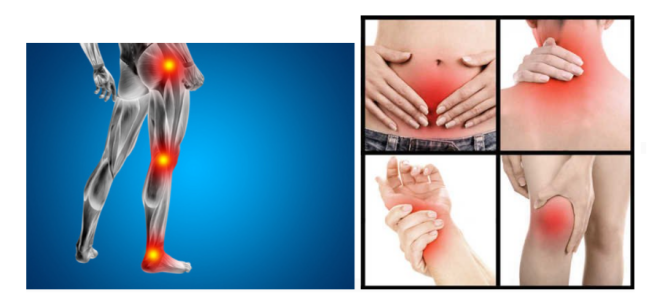
The latest PEA research focuses on alleviating knee joint inflammation. 111 participants were randomly assigned to three groups: those taking 300 mg of PEA daily, 600 mg of PEA daily, or a placebo, for a duration of 8 weeks. In the PEA-treated groups, there was a significant reduction in the total symptom score of knee joint inflammation, as well as individual scores for pain, stiffness, function, and anxiety. In this study, PEA did not exhibit any side effects. While a daily dose of 300 mg was effective, a daily dose of 600 mg demonstrated higher efficacy. Due to the absence of side effects, the higher dose is recommended.
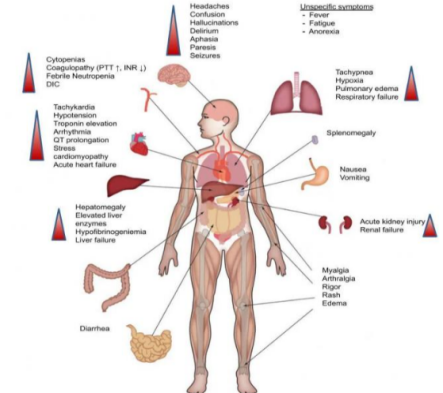
Pain-related diseases with clinical benefits of PEA
Lumbago
Sciatic nerve pain
Osteoarthritis
Fibromyalgia
Carpal tunnel syndrome
Peripheral neuropathy - diabetic neuropathy & chemotherapy-induced peripheral neuropathy
Neuropathic pain - related to stroke & multiple sclerosis
Toothache
Chronic pelvic and vaginal pain
Neuralgia as a sequelae of viral skin problems
Several studies on PEA have explored its use in combination with standard pharmacotherapy. For instance, in the management of fibromyalgia (symptoms include persistent pain, depression, and poor sleep quality), when PEA was combined with antidepressants and GABA (Gamma-aminobutyric acid) (Neurotatin), patients using PEA exhibited a reduction of over 50% in fibromyalgia symptoms (including pain) scores compared to those treated with the medications alone. The researchers concluded: "Our study confirms... the additional benefit and safety of PEA in alleviating pain in patients with fibromyalgia.". ”
A randomized, double-blind, placebo-controlled study revealed that PEA may have a depressive-relieving effect. PEA was used as an "adjunctive" substance to the drug citalopram (Cipralex), which is a selective serotonin reuptake inhibitor used in patients with major depressive disorder. Fifty-four patients were randomly assigned to receive either PEA (600 mg twice daily) or placebo and citalopram for 6 weeks. The results showed a significant decrease in depression scores after only 2 weeks of PEA use. Therefore, PEA was considered to have a rapid depressive-relieving effect. Throughout the trial period, the advantage of PEA over the placebo group was evident. At the end of the trial, 100% of patients in the PEA group had a decrease in depression scores of ≥50%, compared to 74% in the group taking only antidepressants.
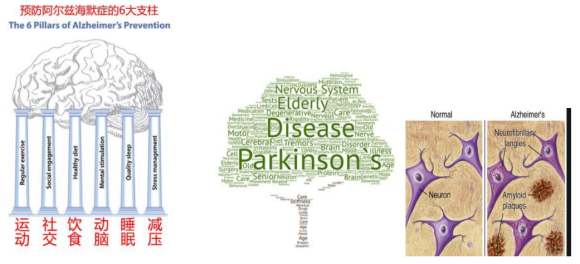
PEA also plays multiple roles in models of degenerative brain diseases such as Alzheimer's disease, Parkinson's disease, and multiple sclerosis.
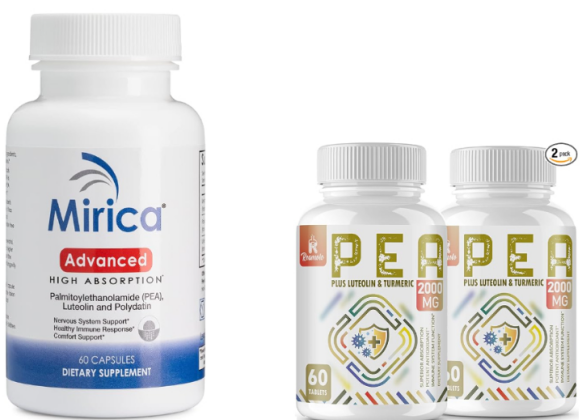
Where does PEA come from?
There are two types of commercial PEA forms available:
In the synthetic form, the ethanolamide moiety is attached to palmitic acid with the assistance of strong synthetic solvents such as toluene.
Another type is the natural form derived from safflower lecithin. Clearly, the natural form is the better choice.
What is the recommended dosage of PEA?
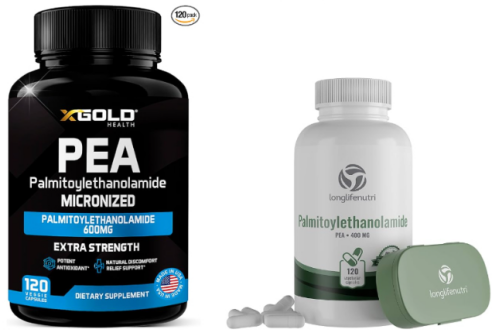
Most studies utilize a dosage of 300 milligrams twice daily or 600 milligrams per day. However, the dosage for depression is 600 milligrams twice daily.
Are there any side effects or safety issues?
PEA is completely safe and non-toxic, with no significant treatment-related side effects recorded in human clinical trials. There are no known drug interactions with PEA.
This article was written by Dr. Murray, a world authority in the field of natural therapy. Over the past 35 years, Dr. Murray has compiled a vast database of original scientific research from medical literature. He personally collected over 65,000 articles from medical literature, providing strong evidence for the effectiveness of diet, vitamins, minerals, herbs, and other natural measures in maintaining health and curing diseases. It is from this ever-growing database that Dr. Murray provides answers to health and treatment at http://DoctorMurray.com.