
Uracil |
CAS No.: 66-22-8 |
Purity:99% |
Molecular weight: 112.09 |
Free Sample Quantity: <100g |
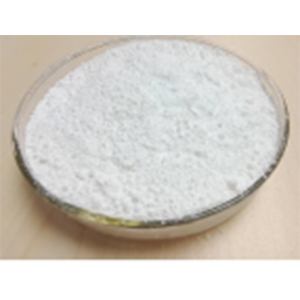
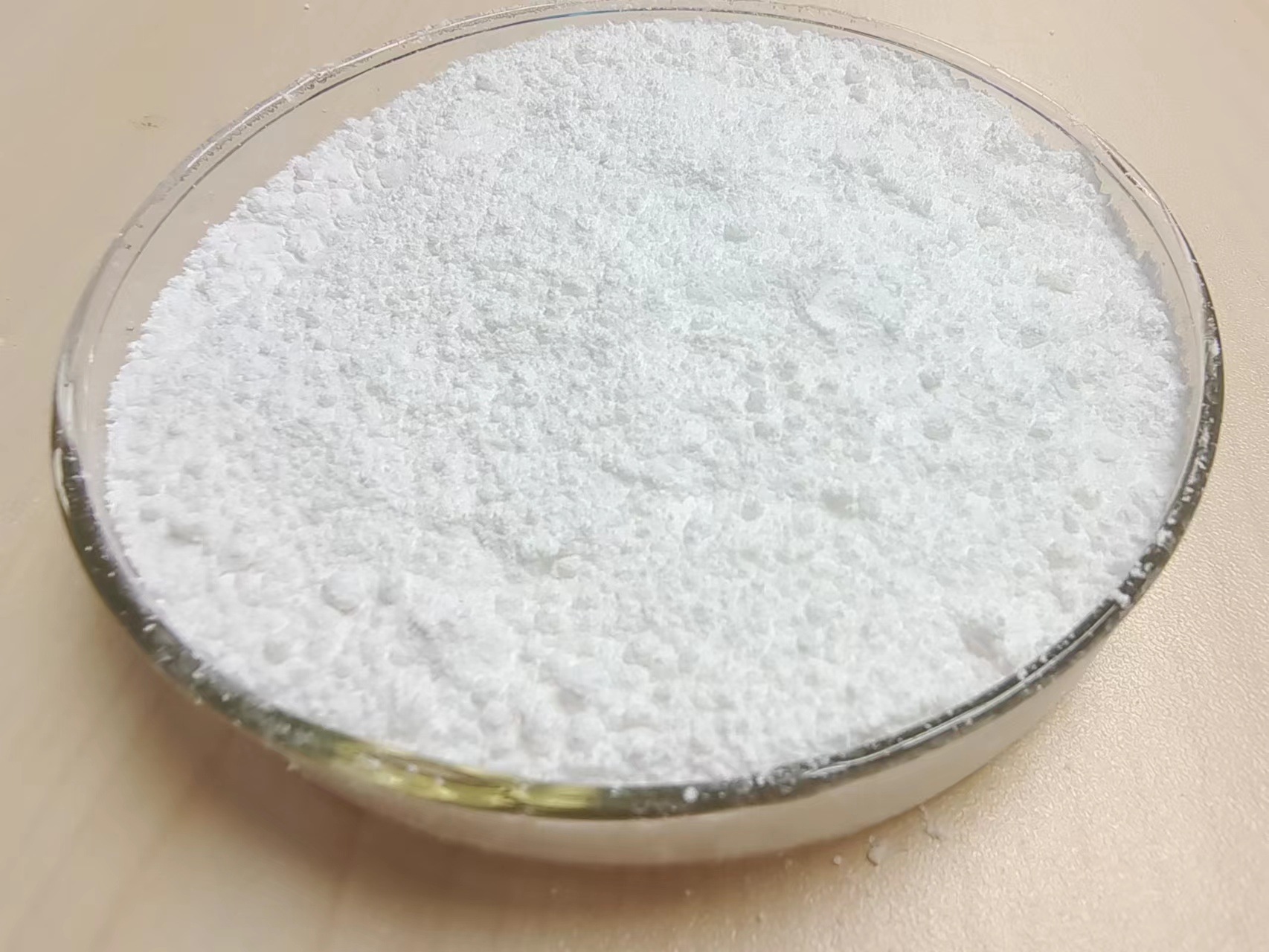
Appearance:White to off white crystalline power |
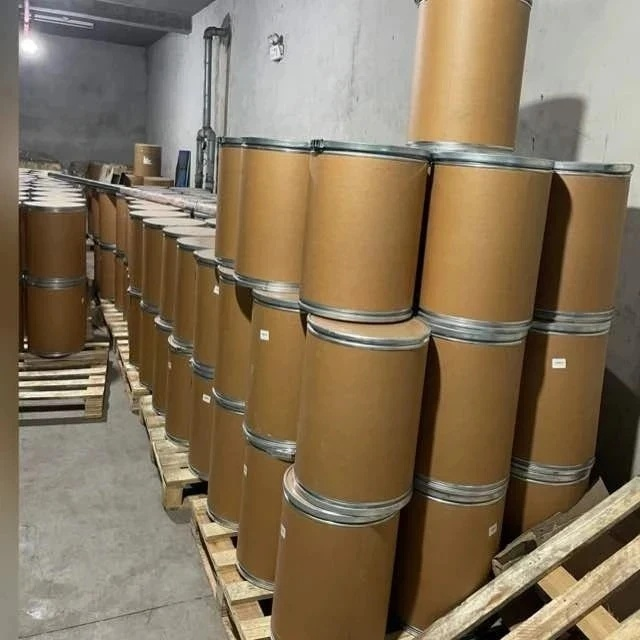
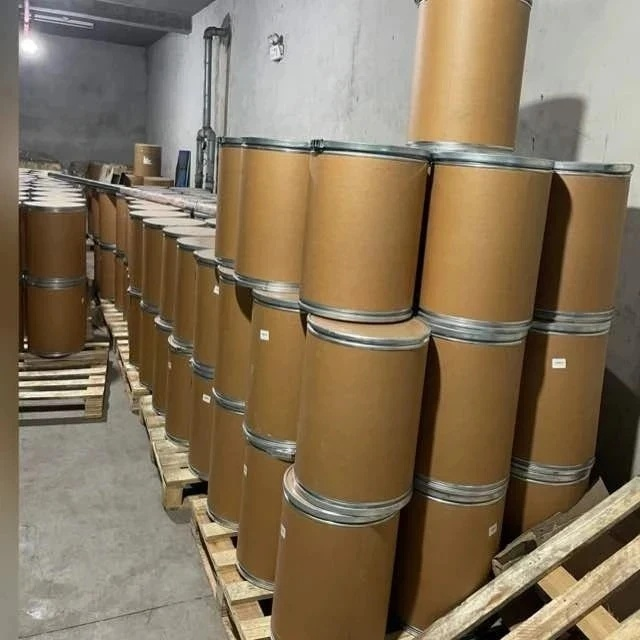
Package: 25kg |
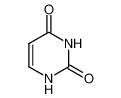
Uracil CAS No: 66-22-8 Synonyms: 2,4-Dihydroxypyrimidine, Pyrimidine-2,4(1H,3H)-dione
Free Sample Quantity: < 100g
Molecular Weight: 112.09 g/mol
Solubility:
- Soluble in hot water (3600 mg/L at 25°C).
- Slightly soluble in cold water, ethanol, and ether; soluble in alkaline solutions.
Appearance: White to off-white crystalline powder
Leave a Message
We will call you back soon!
Dear,
I am interested in Uracil CAS No: 66-22-8 Synonyms: 2,4-Dihydroxypyrimidine, Pyrimidine-2,4(1H,3H)-dione, could you send me more details such as type, size, MOQ, material, etc.
Thanks!
Waiting for your reply.
Synonyms: 2,4-Dihydroxypyrimidine, Pyrimidine-2,4(1H,3H)-dione
CAS No: 66-22-8
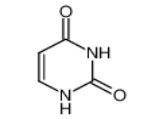
Molecular Formula: C4H4N2O₂
Molecular Weight: 112.09 g/mol
Structure:
Physical and Chemical Properties
Appearance: White to off-white crystalline powder .
-Melting Point: >300 °C (lit.).
- Boiling Point: 209.98°C (estimate).
- Solubility:
- Soluble in hot water (3600 mg/L at 25°C).
- Slightly soluble in cold water, ethanol, and ether; soluble in alkaline solutions.
- Density: 1.4421 (estimate).
- pKa: 9.45 (at 25°C).
- Stability: Stable under recommended storage conditions. Incompatible with strong oxidizing agents and humidity.
Purity & Specifications
- Purity: ≥99% (HPLC).
- Impurities**: May contain trace amounts of related pyrimidine derivatives.
Storage and Handling
- Storage Conditions:
- Store in a cool, dry place (15–30°C), protected from light and moisture.
- Long-term stability: Up to 2 years when unopened.
- Handling Precautions:
- Wear lab coat and gloves. Avoid inhalation or direct contact.
- For research use only. Not intended for diagnostic or therapeutic applications.
Applications
1. Molecular Biology: A key component of RNA, pairing with adenine during transcription.
2. Pharmaceutical Intermediates: Used in synthesis of antiviral and anticancer drugs (e.g., 5-fluorouracil).
3. Biochemical Research: Applied in studies of nucleic acid metabolism, enzyme inhibition, and oxidative stress.
Packaging Specifications
- Standard Packaging:
- 25 kg/drum (industrial grade).
- 1 g, 5 g, 25 g, 100 g (research grade).
- Customization: Available upon request (e.g., bulk orders or specific purity levels).
Safety Information (MSDS Highlights)
- Hazard Statements: Non-hazardous under normal use.
- First Aid Measures:
- Skin contact: Wash with soap and water.
- Eye contact: Rinse thoroughly with water.
- Disposal: Follow local regulations for chemical waste.
References
-Analytical Data: PubChem ID 1174, Reaxys RN 606623.
- Regulatory Compliance: EINECS 200-621-9; Merck Index 9850.
Note: For detailed experimental protocols and batch-specific COA (Certificate of Analysis), please contact the supplier or refer to the original manufacturer’s documentation.
The uses of uracil
Uracil, as a simple pyrimidine base, is far more important than its molecular structure itself. It serves as a core "building block" for constructing life and information macromolecules. From a chemical engineering perspective, its applications are extensive and profound, spanning multiple high-value-added fields such as biomedicine, agriculture, life science research, and fine chemicals.
1. Core application area: Biomedicine
This represents the highest-value and most cutting-edge application area for uracil. It is not merely used as a raw material, but also serves as a crucial pharmacophore.
1. Antiviral drugs
Mechanism of action: Many nucleoside antiviral drugs inhibit viral replication by "tricking" the virus's RNA or DNA polymerase into integrating into the replicating viral gene chain, leading to chain termination or mismatch. Uracil is a base constituting RNA, so modifying it with a parent core is a classic strategy for developing anti-RNA virus drugs.
Representative drugs:
Idoxuridine: The first approved anti-herpesvirus drug, although its use has decreased recently, it remains a milestone.
Tegafur, carmofur, etc.: They are prodrugs of 5-fluorouracil, which take effect after being converted into 5-FU in the body.
Sofosbuvir: a revolutionary treatment for hepatitis C, is a prodrug of uridine nucleoside analogues, with its active metabolite directly acting on the NS5B RNA polymerase of HCV.
2. Antitumor drugs
Core drug - 5-fluorouracil: This is the most famous and widely used derivative of uracil in the pharmaceutical field.
Mechanism: 5-FU is converted into an active metabolite in the body, which can inhibit thymidylate synthase and be incorporated into RNA and DNA, disrupting the normal function of nucleic acids and thereby inhibiting rapidly proliferating tumor cells.
Application: It is widely used in the treatment of various solid tumors such as colorectal cancer, gastric cancer, breast cancer, and head and neck cancer. It serves as the cornerstone of many standard chemotherapy regimens.
Capecitabine: an oral 5-FU prodrug that is converted into 5-FU by specific enzymes at the tumor site, enhancing targeting and patient convenience.
3. Other pharmaceutical synthesis intermediates
The uracil structure serves as a universal starting material or intermediate for the synthesis of many other nucleoside drugs. By chemically modifying its sugar moiety and base moiety, new chemical entities with different pharmacological activities can be developed.
II. Agricultural Chemistry: Plant Growth Regulators and Herbicides
In the agricultural field, uracil derivatives play the role of "plant growth managers".
1. Plant growth regulator
Cytokinin: Some natural cytokinins, such as zeatin, are adenine derivatives, but artificially synthesized substances with cytokinin activity include derivatives of uracil. They can promote cell division, delay senescence, break dormancy, and are used to improve crop yield and quality.
2. Herbicide
Uracil herbicides: This is an important class of selective herbicides.
Representative varieties: such as Huancao Ding, Te Cao Ding, etc.
Mechanism: They primarily exert their effect by inhibiting the electron transport chain (acting on D1 protein) in plant photosynthesis, which is effective against various broadleaf weeds and gramineous weeds. They are commonly used in crop fields such as sugarcane and pineapple.
III. Life Sciences and Biotechnology
This is the most fundamental and indispensable application of uracil.
1. Core components of RNA synthesis
In transcription and in vitro RNA synthesis, uridine triphosphate (UTP) is one of the four nucleotide substrates directly utilized by RNA polymerase (alongside ATP, GTP, and CTP). Without UTP, RNA synthesis cannot occur.
In molecular biology experiments, it is used to synthesize probes, mRNA vaccines (such as COVID-19 vaccines), siRNA, and guide RNA in the CRISPR system.
2. Molecular biology tools
PCR and sequencing: In PCR reactions and DNA sequencing, dUTP (deoxyuridine triphosphate) is required as a substrate. Additionally, the uracil-DNA glycosylase system is commonly used to prevent contamination of PCR products, as this enzyme can specifically degrade DNA containing U, whereas natural DNA does not contain U.
Labeling and detection: UTP or dUTP labeled with radioactive or fluorescent groups can be used as probes to detect specific RNA or DNA sequences.
IV. Fine Chemicals and Other Fields
1. Cosmetics and skincare products
Uracil and its derivatives (such as allantoin) are excellent skin conditioners.
Function: It has moisturizing, skin cell repair-promoting, anti-inflammatory, and soothing effects. Allantoin is a common ingredient in many moisturizers, repair creams, and ointments.
2. Chemical synthesis and materials science
Organic synthesis building block: As an aromatic heterocycle containing nitrogen and oxygen heteroatoms, uracil serves as a useful building block for the synthesis of more complex organic molecules.
Supramolecular Chemistry: Uracil molecules possess multiple hydrogen bond donors and receptors, enabling highly specific molecular recognition and self-assembly for the construction of functional supramolecular structures and materials.
The value chain of uracil is now reflected in:
Upstream: Its production primarily relies on chemical synthesis, such as the preparation through cyclization reactions using basic chemical raw materials like malic acid and urea. Biological fermentation is also a promising green alternative route.
Midstream: Through precise chemical modifications (halogenation, alkylation, glycosylation, etc.), various high-value derivatives such as 5-fluorouracil and various nucleosides are generated.
Downstream: Applied to the aforementioned high-tech fields, ultimately forming high-value products such as pharmaceuticals, pesticides, and scientific research reagents.
Future outlook:
1. Green synthesis: Developing more efficient, environmentally friendly, and atom-economic synthesis processes is a continuous research direction.
2. New drug research and development: With the deepening understanding of RNA biology, the development of RNA therapies targeting new targets, utilizing uracil as a scaffold (such as mRNA vaccines/drugs, small RNA regulators), will be an explosively growing field.
3. Biobased materials: Leveraging their self-assembly properties to develop novel biocompatible materials or nanodevices.
In summary, uracil, though small, serves as a bridge molecule connecting basic chemical engineering, fine chemical engineering, and cutting-edge biotechnology. Its significance lies not only in its "identity," but also in its potential to be "transformed" through chemical and biological means, thereby contributing to human health, food security, and technological progress.
Recommended Products
 VIEW MORE
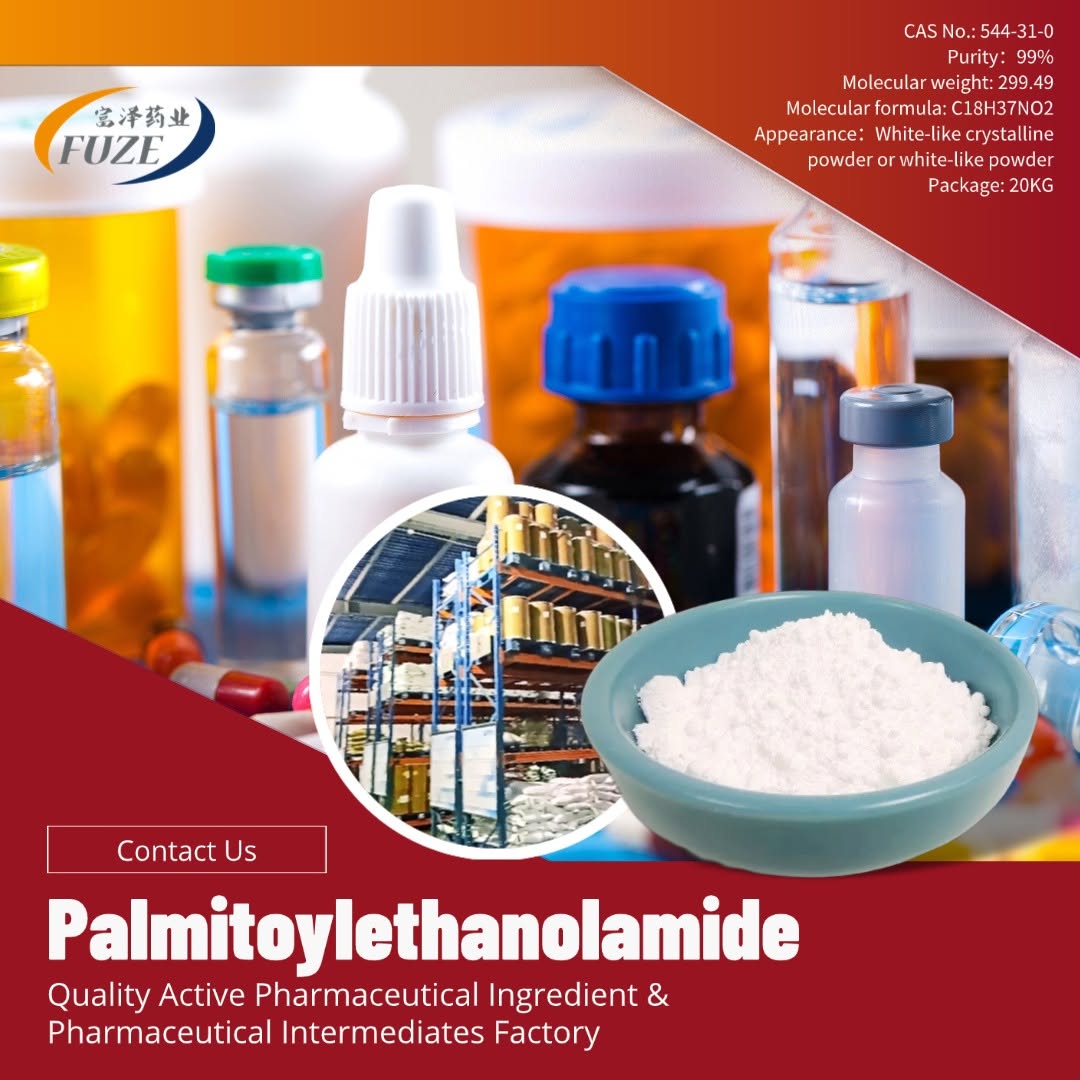
Palmitoylethanolamide granular(PEA)
Palmitoylethanolamide granular(PEA)
Grade: Pharmceutical or Cosmetics
Appearance: white granular powder
MF: C18H37NO2
Specification: Granular
Leave a Message
We will call you back soon!
Dear,
I am interested in Palmitoylethanolamide granular(PEA), could you send me more details such as type, size, MOQ, material, etc.
Thanks!
Waiting for your reply.
 VIEW MORE
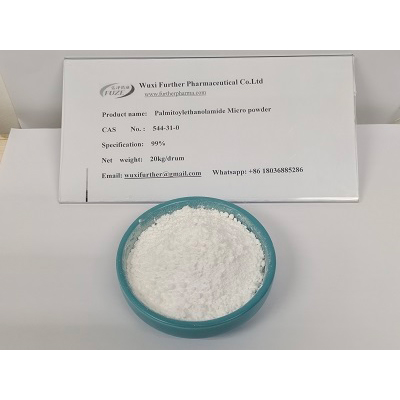
palmitoylethanolamide micronized
palmitoylethanolamide micronized
CAS: 544-31-0
MF: C18H37NO2
Purity: 99%
Package: 20kg/ fiber drum
Micronized fatty acid amide for supporting comfort, healthy inflammatory response, and neurological function
Leave a Message
We will call you back soon!
Dear,
I am interested in palmitoylethanolamide micronized, could you send me more details such as type, size, MOQ, material, etc.
Thanks!
Waiting for your reply.
 VIEW MORE
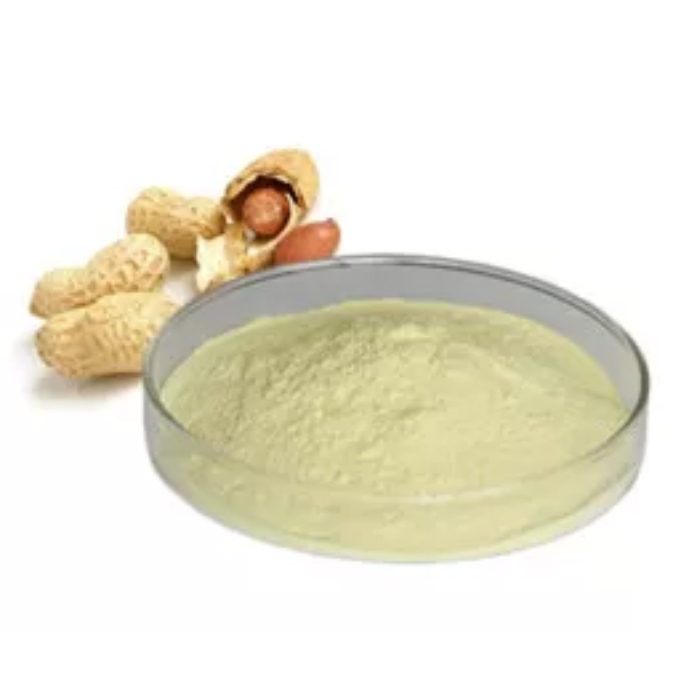
Palmitoylethanolamide Powder
Palmitoylethanolamide Powder
Palmitoylethanolamide
CAS: 544-31-0
MF: C18H37NO2
Purity: 99.9%
Package: 25kg/ fiber drum
Particle Size: less than 40 mesh
Free Sample Quantity: <100g
Appearance:White crystalline powder or white powder
Leave a Message
We will call you back soon!
Dear,
I am interested in Palmitoylethanolamide Powder, could you send me more details such as type, size, MOQ, material, etc.
Thanks!
Waiting for your reply.
 VIEW MORE
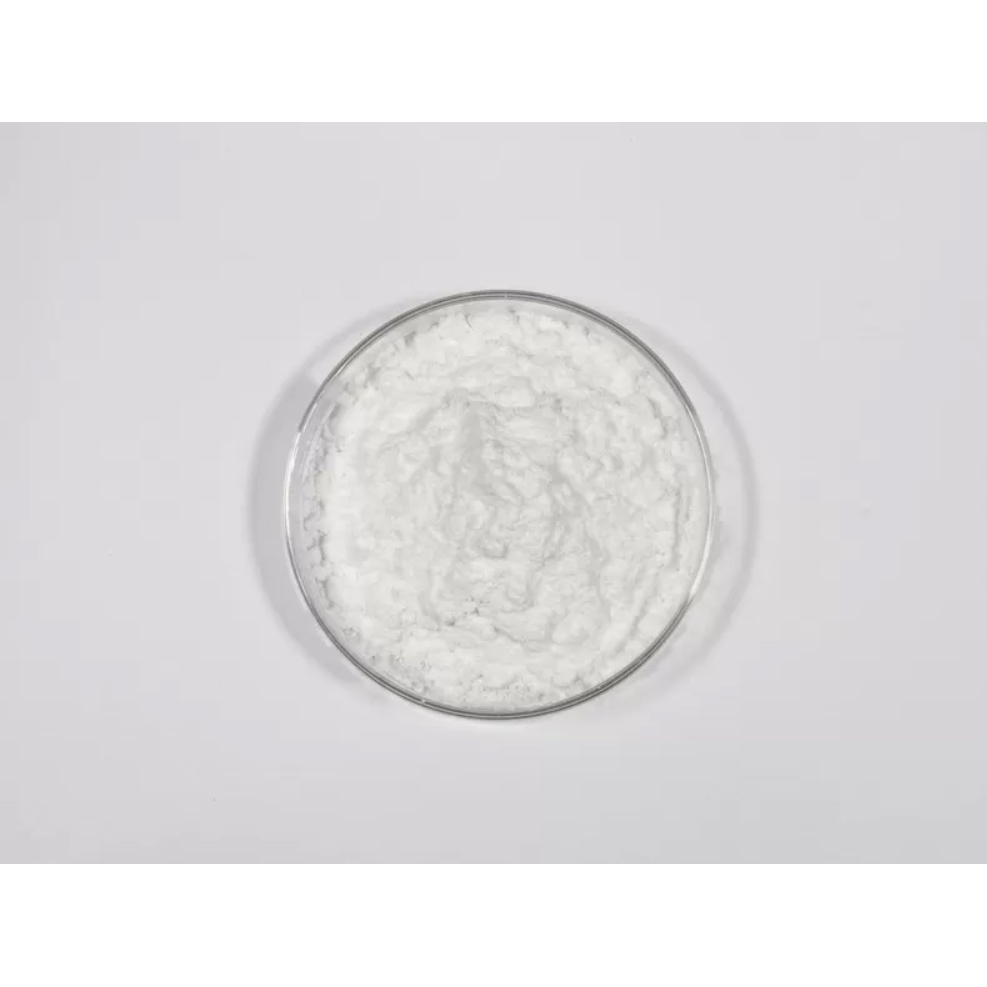
Luteolin Cas 491-70-3 Dietary Flavonoid Antioxidant Anti-Inflammatory Natural Plant Extract Anticanc
Luteolin Cas 491-70-3 Dietary Flavonoid Antioxidant Anti-Inflammatory Natural Plant Extract Anticanc
Color:Yellow
Form:powder
MF:C15H10O6
MW:286.24
Leave a Message
We will call you back soon!
Dear,
I am interested in Luteolin Cas 491-70-3 Dietary Flavonoid Antioxidant Anti-Inflammatory Natural Plant Extract Anticanc, could you send me more details such as type, size, MOQ, material, etc.
Thanks!
Waiting for your reply.
 VIEW MORE
Pterostilbene CAS 537-42-8 Anti-Cancer Anti-Inflammatory Herbal Extract Dietary Supplement
Pterostilbene CAS 537-42-8 Anti-Cancer Anti-Inflammatory Herbal Extract Dietary Supplement
Purity:99% HPLC
MF:C16H16O3
MW:256.3
Stability:Stable for 2 years from date of purchase as supplied. Solutions in DMSO or ethanol may be stored at -20° for up to 1 week.
Leave a Message
We will call you back soon!
Dear,
I am interested in Pterostilbene CAS 537-42-8 Anti-Cancer Anti-Inflammatory Herbal Extract Dietary Supplement, could you send me more details such as type, size, MOQ, material, etc.
Thanks!
Waiting for your reply.
 VIEW MORE
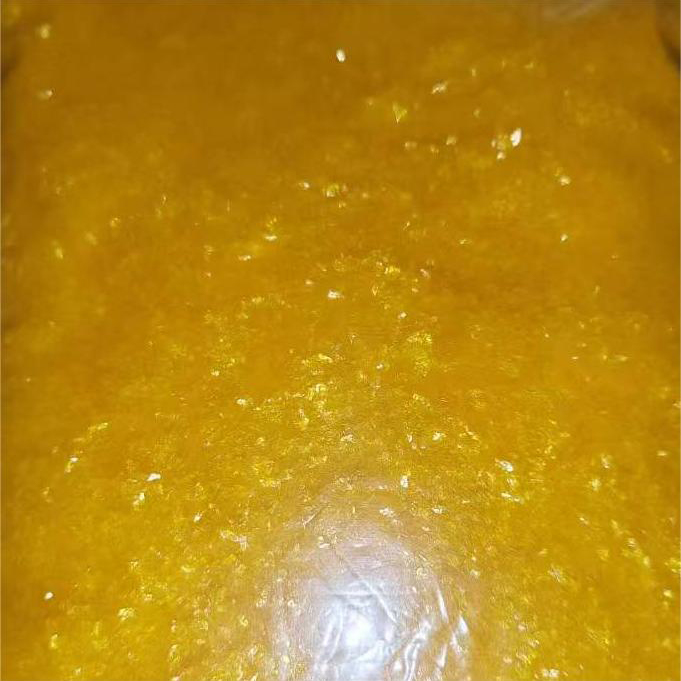
Thymoquinone CAS 490-91-5 Antioxidant Powder Extract Nigella Sativa Anti-Cancer Phytochemical
Thymoquinone CAS 490-91-5 Antioxidant Powder Extract Nigella Sativa Anti-Cancer Phytochemical
Purity:99%,5%,10%
Color and form:Light Orange to Dark Yellow solid
Melting point:45-47 °C(lit.)
Synonym:2-methyl-5-(1-methylethyl)-5-cyclohexadiene-1
Leave a Message
We will call you back soon!
Dear,
I am interested in Thymoquinone CAS 490-91-5 Antioxidant Powder Extract Nigella Sativa Anti-Cancer Phytochemical, could you send me more details such as type, size, MOQ, material, etc.
Thanks!
Waiting for your reply.
 VIEW MORE
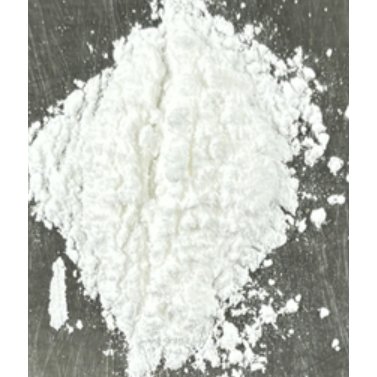
Salidroside
Salidroside
Form:powder
Color:white
Assay:98%
Package:25kg/drum
Leave a Message
We will call you back soon!
Dear,
I am interested in Salidroside, could you send me more details such as type, size, MOQ, material, etc.
Thanks!
Waiting for your reply.
Contact Us at Any Time
86--18036885286
1699 Huishan Avenue, Huishan Economic Development Zone, Wuxi City, Jiangsu Province, China


Send your inquiry directly to us
